

As the "Cookie-pocalypse" finally settles in 2026, the digital marketing landscape has shifted from "rented" audiences to "owned" relationships. If your strategy still relies on the crumbling remnants of third-party tracking, then you are losing out on valuable data. This article will help you in regaining your competitive edge.
To survive and thrive in this marketing privacy 2026 era, brands are moving beyond simple data collection. They are building First-Party Data Fortresses.
Here is how you can navigate the cookie-less marketing shift and build a resilient first-party data strategy that respects user privacy while driving high-intent conversions.
The Shift: From Surveillance to Value Exchange
For years, marketers relied on "creepy" tracking—following users across the web without their explicit knowledge. Today, the power has shifted back to the consumer. In fact, roughly 75% of consumers today will refuse to purchase from companies they do not trust with their personal data.
The most successful brands in 2026 aren't just "collecting" data; they are "earning" it. This is where Zero-Party Data comes in. Unlike first-party data (which is observed), zero-party data is information a customer intentionally shares with you—their preferences, their pain points, and how they want to be reached. With 71% of consumers now expecting personalized experiences despite rising privacy concerns, the value exchange has never been more critical.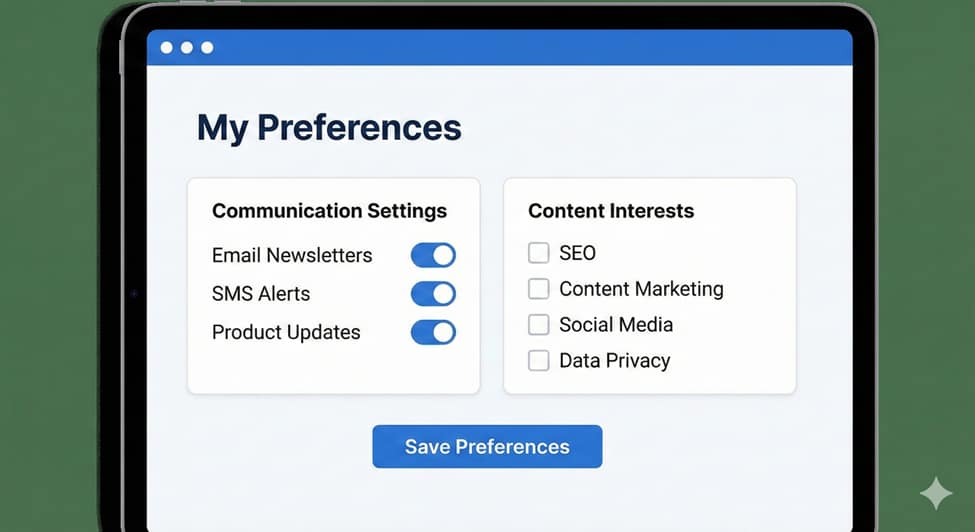
Building the "First-Party Data Ladder"
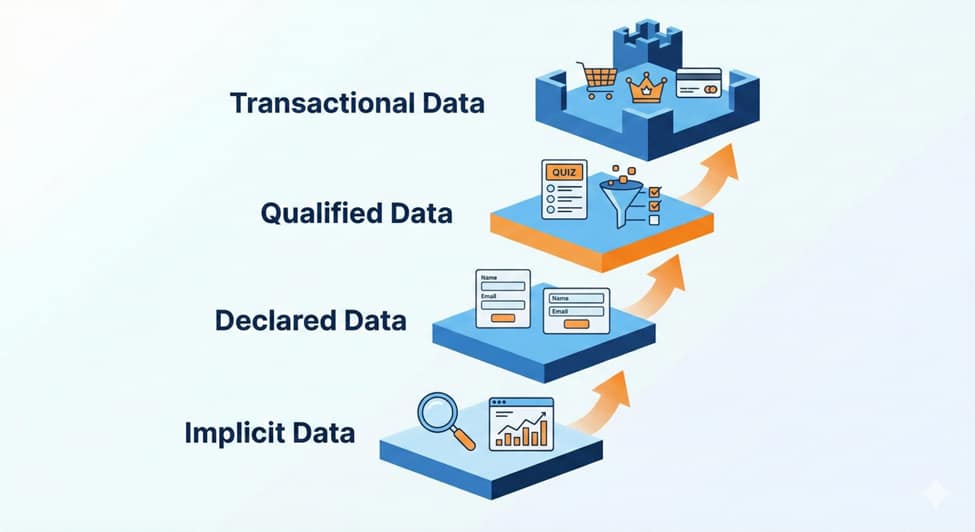
To build a true data fortress, you need to understand the hierarchy of data value. We call this the First-Party Data Ladder. Your goal is to move users from anonymous browsers to transactional partners.
1. Implicit Data (The Foundation): This is observed behavior. What pages did they visit? How long did they stay? It’s the baseline for understanding interest without knowing "who" the user is yet.
2. Declared Data (The Introduction): This happens when a user raises their hand. They sign up for a newsletter or download a whitepaper. They’ve given you a name and an email, moving from "anonymous" to "known."
3. Qualified Data (The Relationship): Now things get interesting. Through preference centers or interactive quizzes, the user tells you what they like. "I’m interested in SEO, not Social Media." This allows for hyper-personalization.
4. Transactional Data (The Fortress): The gold standard. This is purchasing history, loyalty program activity, and long-term engagement. This data is the most accurate predictor of future behavior.
Strategies for "Owned" Data Collection
In 2026, your website is just one part of the fortress. Brands are now investing in "Private Circles" to gather deeper insights:
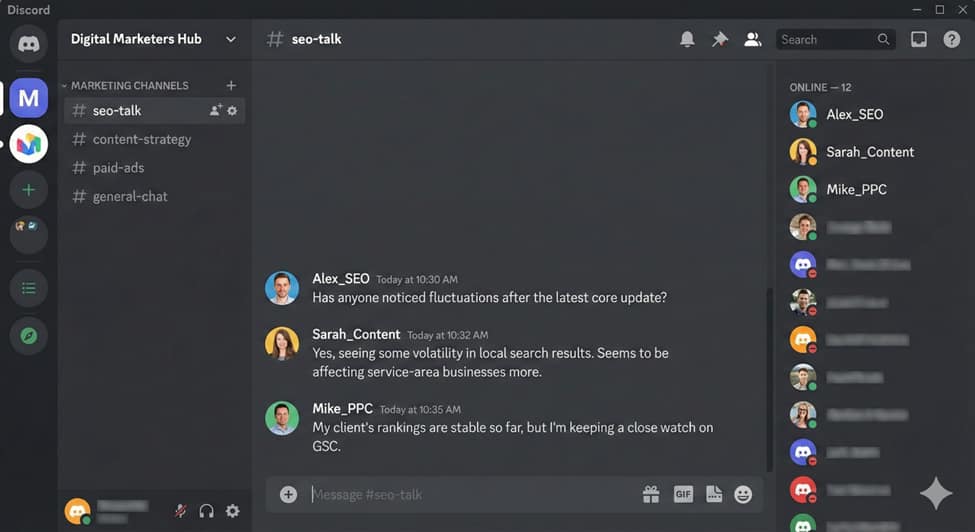
• Discord Servers & Private Groups: Communities are the new tracking pixels. A brand-owned Discord server allows you to observe real-time discussions, feedback, and sentiment in a privacy-compliant, "logged-in" environment.
• Robust Preference Centers: Don't just give users an "Unsubscribe" button. Give them a dashboard where they can toggle their interests. This builds trust and provides you with high-value zero-party data.
• Loyalty 2.0: Move beyond "buy 10, get 1 free." Use loyalty programs to offer exclusive access to content or tools in exchange for deeper profile information.
Why This Matters for Your Career
The death of the third-party cookie hasn't killed digital marketing; it has just made it more sophisticated. Companies are now desperately looking for professionals who understand privacy-first marketing, Customer Data Platforms (CDPs), and server-side tracking - which is already being employed by 67% of B2B companies to improve data quality.
If you want to master these high-level strategies—from technical SEO to advanced data analytics—check out our Digital Marketing Training Program. We cover the exact frameworks needed to navigate the 2026 landscape, ensuring you stay ahead of the curve.